The Human Index: How Dunbar Finds Help Without a Directory
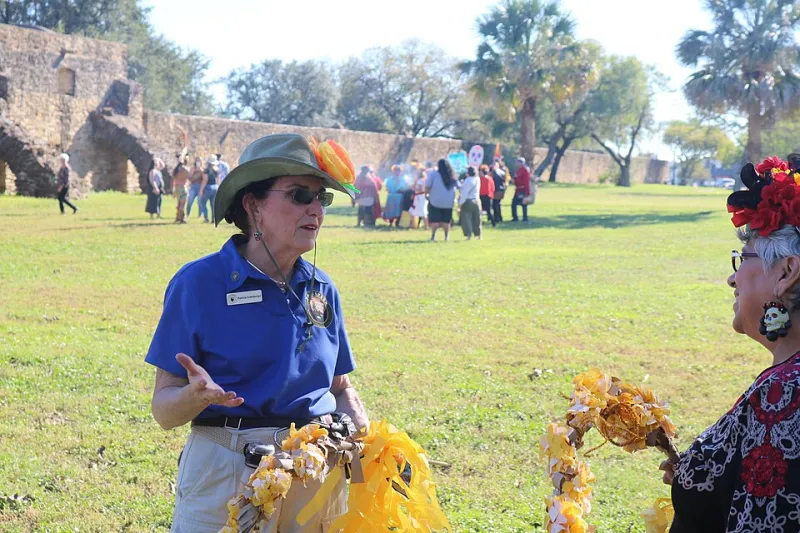
Photo: NPS Photo, Public domain, via Wikimedia Commons
Ask a Dunbar resident how they found a particular service and the answer is rarely a website. More often it is a neighbour who had used it, a shopkeeper who knew someone, a carer who made a call, or a conversation at the school gate that ended with a name and a phone number. These routes are not a failure of formal signposting. They are a parallel system, and in 2026 it deserves to be understood rather than overlooked.
The Routes That Do Not Appear on a Website
Formal directories tend to map organisations. They list councils, NHS services, charities and advice lines. That work matters. But the practical map in many households is made of people. A member of staff at Dunbar Library may be the first person to hear that someone is struggling with a form. A volunteer at a church hall may know which local group has a spare wheelchair. A pharmacist, a post office worker or a shopkeeper on the High Street may notice when a regular customer has stopped coping and point them towards a carer’s service or a lunch club.
These human signposts rarely describe what they do as referral. They listen, reassure and translate. They often know the difference between a service that exists on paper and one that can actually respond this week. They also carry local knowledge that no directory captures: who answers the phone, which form is genuinely required, and where a person will be treated with patience.
What Formal Signposting Gets Right, and What It Misses
The strengths of formal signposting are clear. It can be checked, updated and held to account. It should be accessible, consistent and backed by training. The no-wrong-door principle has become a useful standard across public services, reminding organisations that a person should not be passed from pillar to post simply because they approached the wrong desk.
Yet formal systems often assume a level of confidence, time and digital access that not every household has. They also assume that help-seeking begins with a service. In practice it often begins with a person. A resident may trust a familiar face more than a leaflet, particularly if previous contact with official processes has been difficult. Informal routes are immediate, local and relational. Their weakness is that they are uneven. One street may have a well-connected neighbour; another may not. Human signposts can become exhausted, and their knowledge can drift out of date.
A More Honest Map for 2026
A more honest map would show places as well as services, and roles as well as job titles. It would recognise that the school office, the harbour, the library desk, the GP reception, the food bank and the church kitchen are all part of the referral landscape. It would also accept that some of the most effective signposting is done by people who would never call themselves advisers.
For services, that suggests several practical steps. First, identify the human signposts without turning them into unpaid caseworkers. They need accurate, plain-English updates they can pass on, not a new set of responsibilities. Second, build warm handovers. A named contact and a direct route into a service are more useful than a generic web address. Third, ask people how they heard about a service. That single question, asked consistently and respectfully, would reveal routes that formal monitoring currently misses.
Fourth, support the network rather than extract from it. Small things help: clear opening hours, reliable phone numbers, accessible premises and a willingness to explain eligibility in ordinary language. Recognition matters too, but it should not undermine the discretion that makes informal help work. Fifth, protect boundaries. Informal signposts should know where their role ends and how to escalate concerns, particularly where safeguarding or data protection is involved.
The Limits of Mapping Kindness
There is a risk in trying to formalise something that works precisely because it is informal. Mapping human networks can feel like surveillance, and turning neighbours into referral agents can damage trust. The aim should not be to absorb informal help into a system, but to stop designing as if it does not exist. Consent, anonymity and restraint should shape any attempt to document these routes.
A no-wrong-door approach is often described as a property of buildings. In Dunbar it is more accurately a property of people. The person behind the counter, the volunteer at the end of the phone and the neighbour who knows the right number are already doing the work of navigation. For 2026, the test for local services is whether they are willing to see that human index, maintain it with care, and make sure it does not depend on the same few people indefinitely.
Dunbar Neighbourhood Hub exists to share local services, updates and community resources. That work is necessary, but it is not sufficient on its own. A directory can tell you where to go. A community can tell you who will help you get there. Both need to be kept in good repair.