Fifteen Minutes Well Spent: Dunbar’s Practical Guide to Micro-Volunteering
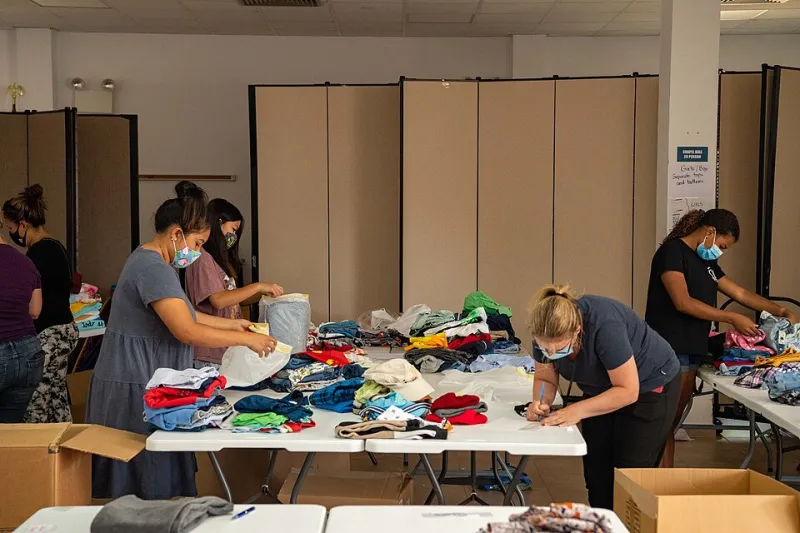
Photo: U.S. Navy photo by Petty Officer 2nd Class John Owen, Public domain, via Wikimedia Commons
Volunteering is often advertised as a long-term relationship: a weekly shift, a regular rota, a named role with a six-month expectation. That model suits some people, but it excludes others. A parent with unpredictable childcare, a shift worker, a student with exam pressures, or someone managing a health condition may have useful time and skills to offer without being able to promise a regular commitment. Micro-volunteering—small, clearly bounded tasks that can be completed in minutes or hours—offers a practical alternative. It is not a substitute for reliable core volunteers. It is a supplementary route that can widen the pool of people who feel able to contribute.
Why small contributions matter
A fifteen-minute task may look modest, but its cumulative value is real. Someone who delivers a leaflet to one street, checks a noticeboard, proofreads a page or makes a single phone call can free a core volunteer to focus on something else. One-off help can also act as a first step. People who are unsure about committing may test an organisation through a short task, then return later when their circumstances allow.
There are risks, however. Micro-volunteering can become administrative clutter if it is poorly organised. It can also become exploitative if organisations use unpaid one-off help to replace paid work, or if the same willing person is asked repeatedly for just one more thing. A clear menu, honest expectations and proper recognition are therefore essential.
Designing a clear micro-volunteering menu
Organisations in Dunbar should advertise micro-volunteering in the same way they would advertise a service: with precision and plain language. A useful entry should state the task, the time required, the location, any physical or access requirements, what support is available, and who to contact. Avoid vague invitations to help out. A resident should be able to decide within thirty seconds whether a task is realistic for them.
A strong menu entry usually includes:
- A plain task title, such as deliver newsletters to one street or photograph a community event.
- The realistic time commitment, including travel.
- Whether the task is indoors or outdoors, seated or active.
- Any training, safeguarding check or confidentiality requirement.
- What the volunteer will need to bring, if anything.
- A named contact and a simple way to say yes or ask a question.
- A clear statement that there is no ongoing obligation.
Organisations should also be honest about what they cannot offer. If a task requires a car, a smartphone or a Disclosure Scotland check, say so before someone volunteers. Clear boundaries protect both the volunteer and the organisation.
A starting menu for Dunbar
Micro-volunteering works best when it is concrete. The following examples show the range of tasks that can fit around work, study or caring responsibilities. They are not prescriptive; local groups should adapt them to their own needs and capacity.
Fifteen-minute tasks include delivering a small bundle of leaflets to one stair or street, checking that a noticeboard is secure and up to date, proofreading a short page, sharing a post with a local network, making one introductory phone call, or taking a photograph at an event. These tasks suit people who can help occasionally but cannot attend regular meetings.
One-off errands might include collecting donated items from a shop, returning equipment after an event, setting out chairs before a coffee morning, staffing a sign-in desk for an hour, or delivering a parcel to a partner organisation. Errands should be specific about distance, weight and timing, so that volunteers can judge whether the task is suitable.
Behind-the-scenes roles can be especially valuable for people who prefer not to work directly with the public. Examples include formatting a document, entering survey responses into a spreadsheet, researching opening hours, sorting donations, watering plants during a holiday period, or writing thank-you notes. These tasks can often be done at home or at a quiet time, which makes them accessible to carers and shift workers.
Avoiding volunteer burnout
Micro-volunteering should reduce pressure on volunteers, not redistribute it. Organisations should avoid recruiting more people than they can meaningfully involve. A volunteer who offers fifteen minutes and hears nothing for three weeks is less likely to offer again. A prompt reply, even a brief one, matters.
Tasks should be capped and rotated. No one should become the default person for every small errand. Where a task is repeated, organisations should check whether it should be a paid role, a shared rota or a simpler process. Safeguarding, insurance and confidentiality should be considered in proportion to the task, but they should not be used as an excuse for vagueness.
It also helps to build in an easy exit. Volunteers should be told that they can decline a task without giving a reason and without losing the chance to help later. That simple statement removes much of the pressure that makes volunteering feel like an obligation.
Making small help visible and valued
Recognition does not need to be elaborate. A thank-you message within a week, a named mention in a newsletter with consent, or a short note explaining what the task achieved can make a small contribution feel worthwhile. Organisations should close the loop: tell volunteers what happened as a result of their help. Did the leaflets reach the right streets? Was the event better attended? Did the donated items reach the people who needed them?
Visibility should be handled with care. Some volunteers prefer quiet recognition; others are happy to be named. Ask, rather than assume. Avoid turning micro-volunteering into a competition or a performance. The aim is to make small contributions feel legitimate and valued, not to create a hierarchy of helping.
A practical standard for 2026
For Dunbar’s community organisations, a good micro-volunteering offer can be summed up in three commitments: advertise accurately, keep tasks bounded, and close the loop. If a task cannot be explained clearly in a short paragraph, it may need to be broken down further. If an organisation cannot respond promptly, it should say when it will. If help is offered, it should be acknowledged.
Micro-volunteering will not suit everyone, and it should not be presented as a solution to every staffing gap. But it can make community life more accessible to people who have small amounts of time rather than large amounts. In 2026, a clear menu of fifteen-minute tasks and one-off errands would be a modest but useful addition to Dunbar’s community resources.