Coin, Card or Connection: Publishing Payment Routes Across Dunbar in 2026
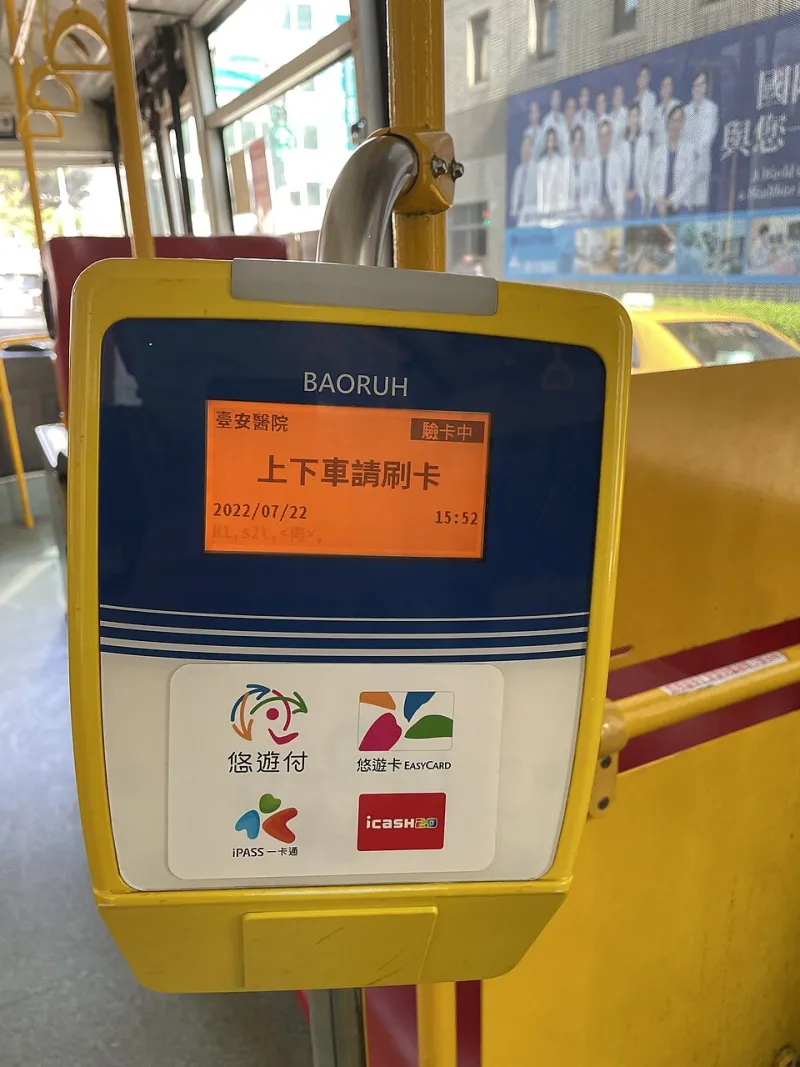
Photo: ThomasYehYeh, CC BY-SA 4.0, via Wikimedia Commons
At a counter, payment arrives after need. A resident may know exactly which service they require, which form to bring and which door to use, only to find that the final step depends on a card reader, a smartphone or a signal that is not available. In Dunbar, as elsewhere, payment access has become part of service access. The question for 2026 is not whether cashless payment is convenient. It is whether every public-facing service makes its payment routes as visible as its opening hours.
Why payment belongs in access planning
Organisations are usually careful to publish when they open, where they are and how to contact them. Payment is often left to the last moment, mentioned in a footnote or discovered at the till. That gap matters most for residents who do not hold a bank account, who rely on cash, who share a phone, or who live in parts of the town where mobile data is unreliable. A card-only policy may be reasonable for the organisation; it is not automatically reasonable for the person standing in front of it.
The audit lens is therefore straightforward. For each service, ask three questions. What payment methods are accepted? What happens when a resident cannot use the default method? Is the alternative published before the visit, rather than negotiated at the counter? These are not technical questions. They are questions about dignity, predictability and equal access.
What the audit looked at
This review considered the payment information published by a range of Dunbar services and venues: council-facing counters, the library, community halls, leisure and booking points, transport, parking and local venues with a public front desk. It also considered the point at which payment is requested, because a kerbside machine, an online booking page and a staffed counter create different barriers.
The pattern is not simply a drift towards card. It is a drift towards inconsistent disclosure. Card and contactless acceptance are now common, but they are not always stated. Phone-based systems appear in parking and bookings, yet the assisted route is often absent. Some smaller venues still accept cash but do not advertise it, while others have moved to bank transfer for deposits without explaining what a resident should do if they cannot use online banking. Staff frequently know the workaround. The public frequently does not.
The kerbside test: transport and parking
Dunbar’s transport connections are a useful test because payment is required before the service is used. At the railway station, ticket machines and online purchase are familiar, but a resident without a card or smartphone needs a clear staffed or assisted route, including the limits of ticket office hours. On buses, contactless and mobile options have expanded, but exact-change rules and concessionary travel still need plain explanation. Parking is the sharpest example: where an app is the primary method, the alternative should be published at the same point as the app name, not buried in a conditions page.
The kerbside test is simple. A visitor arriving by train, bus or car should be able to see how payment works before they commit to the journey. If the answer is “download the app”, the service should also answer “and if I cannot?” A telephone line, a pay point, a staffed counter or a companion-assisted booking route may all be valid answers. Silence is not.
Counters, halls and the quiet exceptions
Inside buildings, payment problems are quieter but no less real. A card-only counter can exclude a resident who has budgeted in cash. A hall that requires an online deposit can exclude a small community group without a treasurer who uses online banking. A leisure booking page that assumes an email address can exclude a resident who books by phone or in person.
The practical remedy is not to insist that every service accept every method. It is to publish the accepted method, the non-accepted method and the assisted alternative in the same place. A short payment statement at the door, on the website and in the phone message would do more than a lengthy policy document. It should name the nearest cash access point where relevant, explain whether payment can be made on arrival, and identify a member of staff or a telephone number for payment queries.
A publication standard for 2026
Dunbar’s public-facing services should adopt a common four-line payment notice. First, list the methods accepted. Second, state the methods not accepted, plainly. Third, describe the assisted route for anyone who cannot use the default. Fourth, give a contact for payment questions. This notice should appear on websites, at entrances, on booking forms and in telephone hold messages. It should be reviewed when systems change, not left until a complaint arrives.
There is also a role for a local payment map. A simple online and printed guide could show which public counters accept cash, where card-only machines operate, where phone-assisted booking is available and where the nearest cash access points are. That map would be especially useful for older residents, disabled residents, people new to the area and anyone managing a tight budget. It would also help frontline staff give consistent answers.
Alternatives must be formal, not improvised
Informal workarounds are common. A neighbour pays by card; a family member books online; a member of staff quietly takes cash to another desk. These gestures are well meant, but they are not a service standard. They depend on who is on duty and who happens to be nearby. A formal alternative might be a cash-handling counter, a telephone booking with payment on arrival, a paper invoice, a third-party pay point or an assisted digital appointment. Each has costs and controls, but each can be published and repeated.
The test for 2026 is not whether Dunbar becomes cashless or stays cash-friendly. It is whether residents can know, before leaving home, how they will pay and what to do if they cannot use the default. Payment information should sit alongside opening hours: visible, accurate and written for the person at the door, not only for the organisation behind it.