Quiet Is a Service: A 2026 Sound Walk Through Dunbar’s Public Buildings

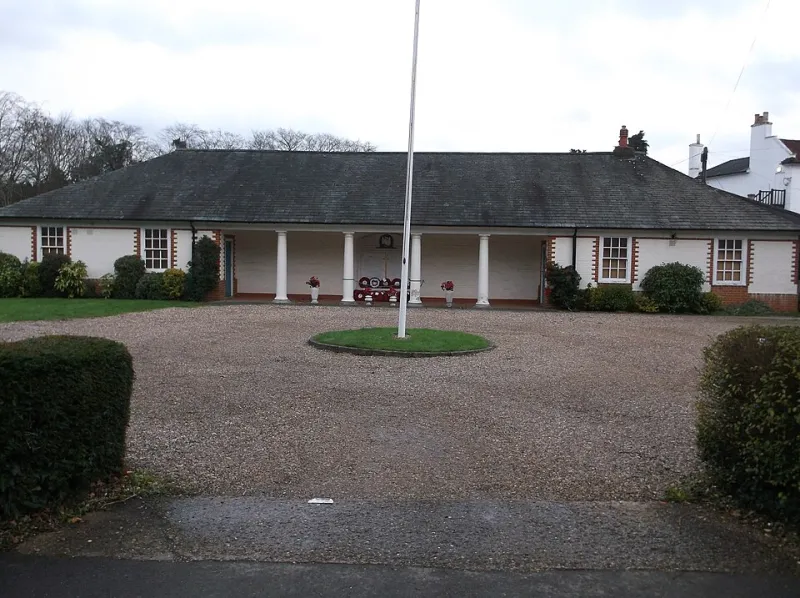
Photo: Brian Clift, CC BY-SA 2.0, via Wikimedia Commons
Access is often described in terms of ramps, handrails and widened doorways. Those things matter. But a service can be step-free and still be difficult to use if the person behind the counter cannot be heard, or if the only place to wait is a reverberant corridor where every printer, chair and conversation competes for attention.
In 2026, Dunbar Neighbourhood Hub has been taking a closer look at sound in public services. Not as a technical exercise for specialists, but as a practical question for residents: when you arrive at a counter, a hall or a waiting area, can you follow what is happening? And when you need to think, fill in a form or make a call, is there anywhere quiet enough to do it?
Why sound belongs in an access audit
Hearing access is not a niche concern. Residents may use hearing aids, cochlear implants or no device at all. Some will manage well in a one-to-one conversation but struggle in a busy room. Others will hear perfectly in a quiet office and lose the thread entirely when a queue forms behind them.
A public building therefore has two acoustic duties. The first is to make speech intelligible at the points where information is exchanged: reception desks, appointment rooms, counters and public meetings. The second is to offer enough quiet for people to read, write, make a telephone call or simply collect their thoughts. A service that is loud everywhere is not fully accessible, even if every other box has been ticked.
A sound walk, not a laboratory test
The most useful method is simpler than it sounds. A sound walk involves visiting a building at different times — a quiet mid-morning, a busy lunchtime, a wet Wednesday when everyone crowds inside — and listening at the places where residents actually pause.
At each point, the test is straightforward. Can a person standing at the counter hear a member of staff speaking at normal volume? Is there a hearing loop sign, and does it correspond to a system that is switched on and working? Does background noise from printers, radios, hand dryers or nearby conversations mask the speech that matters? Is there a seat away from the main flow where someone can complete a form without shouting into a phone?
A sound level meter or a phone app can give a rough reading, but it should not replace observation. The better evidence comes from watching where people lean forward, ask for repetition, step away from a queue or abandon a conversation altogether. Staff often know these pinch points already. Residents notice them immediately.
What residents notice first
Three issues come up repeatedly in Dunbar’s public-facing settings. The first is the counter itself. Glass screens, hard surfaces and open-plan layouts can create a reflective box around the very conversation that needs to be clear. A staff member who turns to a screen while speaking, or who is seated behind a raised barrier, can become harder to hear and harder to read.
The second is waiting noise. A busy waiting area is not simply untidy; it is acoustically demanding. Chairs scrape, doors bang, phones ring and several conversations overlap. For someone with hearing loss, the result can be a wall of sound in which individual voices disappear. The third is the absence of a quiet option. Many buildings have a main hall or a reception area but no small, calm space where a resident can read a letter, complete a form or make a confidential call.
Hearing loops deserve particular attention. A loop sign is a promise, not a decoration. If the system is not working, or if staff do not know how to use it, the sign can do more harm than good. Regular checks, clear instructions at the counter and a named person responsible for reporting faults are basic measures that cost little.
The small changes that make the biggest difference
Acoustic improvements do not always require major building work. Some of the most effective changes are modest and can be introduced within existing budgets.
- Check hearing loops monthly and keep a simple log. Confirm that the loop sign is visible, that staff can explain how to use the telecoil setting, and that faults are reported promptly.
- Add absorbent material where speech is most important. A panel beneath a counter, a noticeboard on a side wall or soft furnishing in a waiting area can reduce reflections without altering the room’s character.
- Separate waiting from conversation. Where space allows, move seating away from the main counter and create a small quiet corner with a table, a chair and good light.
- Reduce avoidable noise. Turn off background music or televisions in waiting areas unless they serve a clear purpose. Fit felt pads to chair legs. Site printers away from interview points.
- Agree a clear communication approach for staff. Face the person, speak at a steady pace, avoid covering the mouth, and be willing to repeat or rephrase rather than simply raise volume.
- Offer alternatives without making them feel like a failure. A written note, a large-print version of a form or a speech-to-text app can bridge a gap when the room is working against the conversation.
None of these measures is a substitute for a proper accessibility plan. But together they can change the experience of a visit more quickly than a lengthy refurbishment programme.
A practical checklist for Dunbar’s public services
A useful 2026 listening audit can be kept short enough to repeat. At each public counter, ask whether a person with hearing loss could follow the conversation at normal volume. At each waiting area, ask whether there is a seat away from the busiest flow. At each hearing loop, ask whether the sign is accurate and the system is live. At each public meeting, ask whether the room amplifies one voice at the expense of others.
The answers should be written down, shared with staff and revisited. An acoustic problem that is nobody’s responsibility tends to remain an acoustic problem. A simple register of issues, with dates and owners, turns listening into a service standard rather than a one-off exercise.
What happens next
Dunbar Neighbourhood Hub will continue to gather residents’ observations about sound and silence in local services. The aim is not to grade buildings, but to identify practical improvements that can be made without closing doors or waiting for a capital project. Quiet is not a luxury in public services. It is part of how a room welcomes people, and part of how a conversation becomes usable.
Residents who have noticed a counter that is hard to hear at, a loop that does not seem to work or a waiting area with nowhere calm to sit can raise it through the Hub. The most useful reports are specific: which building, which desk, which time of day, and what made the difference. That detail is what turns a sound walk into a service improvement.